When Can I Eat After Getting a Dental Filling?
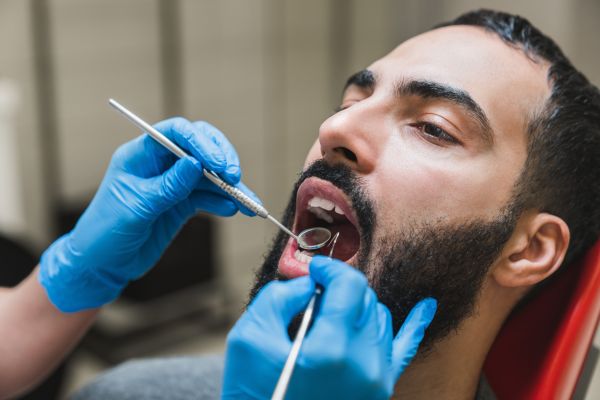
A dental filling is a common restorative treatment that protects a tooth from further decay. While recovering after the procedure is straightforward, one of the first questions patients ask is when they can safely resume eating. It is important to protect your smile and ensure the restoration cures without causing accidental injury. Understanding the timeline and dietary constraints helps you navigate the recovery process with total confidence.
Timeline for eating after treatment
The wait time depends entirely on the type of material placed in the tooth. Composite, or tooth-colored, fillings harden instantly under a specialized light. As a result, patients can technically eat right after the appointment, though caution remains vital.
While silver amalgam fillings are less commonly placed, they do take longer to securely restore the tooth. Dental professionals usually advise waiting at least 24 hours before a patient chews solid food on that side of their mouth. Failure to wait can cause the new silver restoration to crack or fail.
Regardless of the chosen material, the use of local anesthesia during placement of the filling poses a safety hazard. Numbness in the lips, tongue, and cheeks makes it difficult for people to control their bite pressure. A patient who attempts a full meal too early risks severe soft tissue damage from accidental bites. For this reason, the safest approach is to delay food until all numbness has completely disappeared.
Best foods to eat on the first day after a dental filling
Smart food choices prevent unnecessary pressure on the new restoration. For example, soft items require less effort from the jaw and help protect the tooth from further damage. Patients should focus on nutritious options that do not cause pain or add stress to the mouth. These foods include:
- Scrambled eggs
- Lukewarm vegetable or bone broth
- Mashed potatoes or soft sweet potatoes
- Plain yogurt or smooth cottage cheese
- Applesauce or other soft fruit purees
- Oatmeal
Soft food options provide comfort and nourishment while the tooth heals. Solid foods can return to the daily menu as sensitivity drops over the week.
Beverages to avoid after getting a filling
Drinking water supports the patient’s general recovery. That said, other beverages cause severe irritation. Extreme temperatures and intense acid content can trigger sharp nerve responses in a fresh restoration. Limiting these drinks for the first day protects the tooth enamel.
Avoid the following beverages immediately after treatment:
- Hot coffee or tea
- Iced drinks
- Carbonated sodas
- Sugary juices
- Alcoholic drinks
Room-temperature water is always the best choice for a patient. Straws are a bad idea because suction can strain the treated area and disrupt the healing process.
Post-procedure sensitivity care
Minor sensitivity to hot, cold, or sweet foods is common after getting a dental filling. This sensation fades over a few days or weeks as the nerve inside the tooth calms down. If a sharp ache continues or the bite feels uneven, the restoration may need a simple adjustment. The dentist can fix a high spot in a few minutes, restoring alignment and reducing discomfort.
Protect your new dental filling
Taking care of your new dental filling helps ensure a smooth return to your normal routine. With the right dietary habits, you can give your mouth the best chance to heal cleanly. If you notice unusual pain or a weird bite while recovering after a filling, call Agapé Dental Wellness to see the team at our San Jose office.
Request an appointment here: https://www.sanjosedentistsnearme.com or call Agapé Dental Wellness at (408) 444-6267 for an appointment in our San Jose office.
Check out what others are saying about our services on Yelp: Dental Filling in San Jose, CA.
Related Posts
Silver amalgam dental fillings have been used for decades as a reliable solution for restoring teeth affected by decay. These fillings are known for their durability and affordability, continuing to play a role in modern dentistry despite the growing popularity of tooth-colored alternatives. Understanding the pros, cons, and safety of silver amalgam fillings can help…
A dental filling can preserve oral health by addressing cavities and restoring damaged teeth. This essential procedure prevents further tooth decay and protects the affected tooth from more extensive damage. By removing decayed material and filling the cavity, this treatment ensures that the tooth remains functional and intact, providing both immediate and long-term benefits for…
Curious about dental fillings? Read on to learn more. Tooth cavities can be uncomfortable and a dental filling is necessary to resolve the issue. Your best bet is to prevent the condition from occurring in the first place. That requires a strict oral hygiene routine and regular dental checkups with a general dentist. Dental appointments…
Your general dentist will suggest a dental filling for your decayed tooth. The consultation will explain why it is important to get. Understanding the reasons for having this restoration can encourage you to prepare for the treatment. Here are the dental filling benefits you must consider.Research shows that dental decay impairs a tooth’s function. Difficulties…